Meet Joana Segura
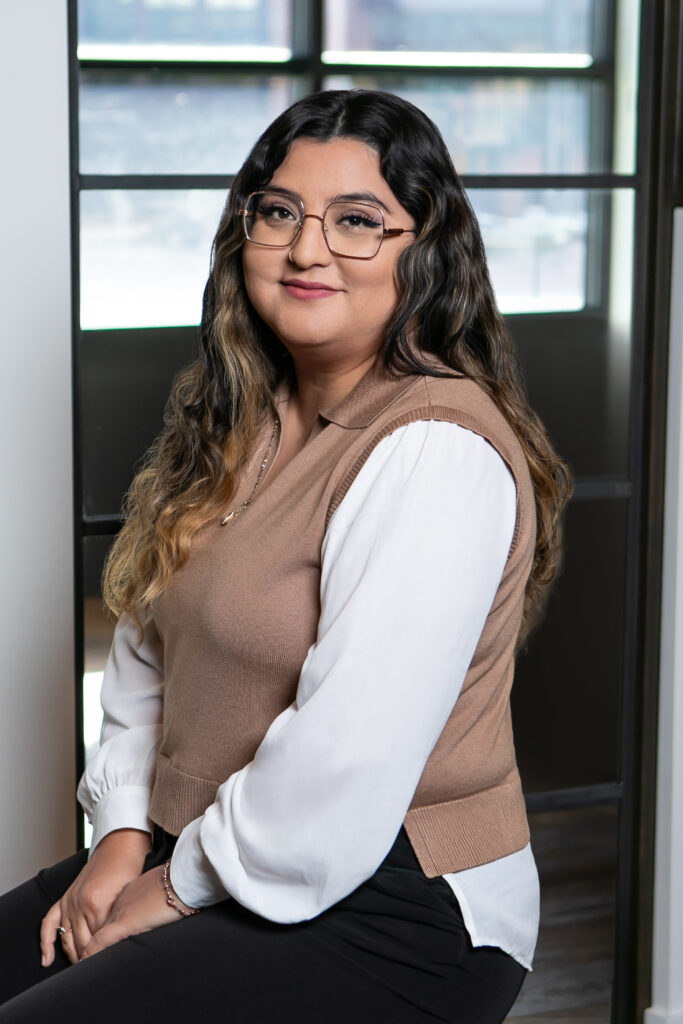
Artist Q&A
Can you tell us a little about your artistic background and how you became involved in the Recovery Cards Project?
Art has always been a part of my life in one way or another. In high school, I was honored to receive a National Gold Medal from the Scholastic Art & Writing Awards, which was a big moment for me and helped me see what was possible. I went on to attend Friends University from 2015 to 2019, where I earned my Bachelor of Arts in Graphic Design. Today, I work as a designer, artist, and illustrator with over seven years of professional experience. Creativity has always been more than just a career for me, it’s how I process, express, and connect.
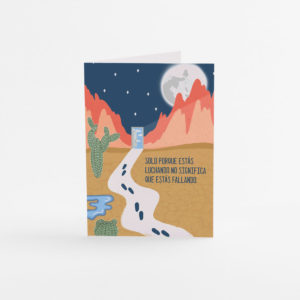
I became involved in the Recovery Cards Project during a very personal time. I lost a friend to a drug overdose and also have a family member who is currently incarcerated due to struggles connected to mental health. Those experiences changed the way I see both addiction and recovery. I wanted to be part of something that could offer hope, especially for the Latino community, where there often isn’t enough access to culturally relevant mental health and recovery resources. Being able to share messages in Spanish and create something that people can connect with on a deeper level means a lot to me. It’s my way of giving back, raising awareness, and reminding others that they’re not alone.
Do you have a personal connection to substance use disorder or mental health struggles?
Yes, I do. My struggles with mental health started early, before I had any real direction in my career or life. In 2016, I was diagnosed with depression and anxiety, which helped me begin to understand what I had been carrying for so long. As a first-generation college student, I was navigating a lot on my own. There were pressures, expectations, and challenges that felt overwhelming at times, and I didn’t really have the support to talk about mental health. In my Mexican household, it wasn’t something we discussed openly. It was often brushed off and I was taught to be strong, to push through, to keep going. I grew up hearing “sí se puede” you can do it, even when I was struggling. And in many ways, that stayed with me. It gave me resilience. But, I’ve also learned that strength isn’t just about pushing through pain, it’s also about asking for help, being honest with yourself, and taking care of your mental health. Today, I see my journey with more compassion. I’ve learned that recovery isn’t linear, but it is possible. And I share my story because I know how isolating it can feel.
What inspired the design and message of your card?
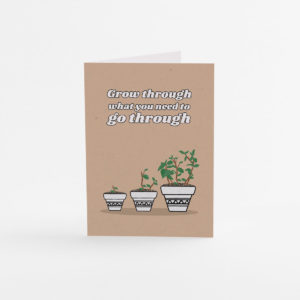
My inspiration comes from my surroundings and my family roots in Zacatecas, Mexico. I’ve always tried to ground my art in my culture, my environment, and the messages that have helped guide me through life. I feel connected to the Spanish versions of my designs because they reflect the words and values that were passed down to me by my parents and grandparents.Those messages about strength, resilience, and faith have stayed with me. For me, creating these cards is a way of honoring where I come from while sharing something meaningful with others. It’s about carrying those lessons forward and offering them to people who might need to hear them, just like I once did.
What do you hope someone in recovery feels when they receive your card?
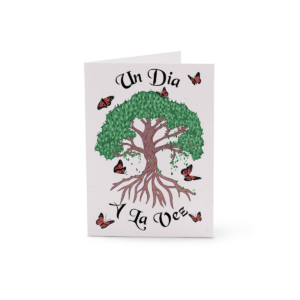
I hope they feel a sense of warmth and support, especially in moments when they might feel alone. I want them to know that someone is thinking of them, that they’re seen and that there’s no judgment here. As an artist who can relate to the struggles of addiction, relapse, and recovery, I understand how difficult the journey can be. That’s why it’s important to me that the message feels gentle and encouraging, not overwhelming. More than anything, I hope the card reminds them to take things one day at a time “Un día a la vez.” Sometimes, that simple reminder can make all the difference.
How has participating in this project influenced your perspective on recovery or community support?
I feel incredibly grateful to be part of an initiative like this. For a long time, it felt like these conversations weren’t being heard or prioritized, especially in communities that are often overlooked. Now, I’m seeing more people speak up, share resources, and create spaces where others can feel supported without judgment. I also love that these resources are available to the public, for free, which can make a real difference in someone’s life. It reminds me that community support is about showing up and sharing each other’s experience.
Why do you think greeting cards are a powerful tool for supporting people in recovery and community?
When we think about greeting cards, we usually think about birthdays, weddings, or big milestones. But, not often with something like addiction or recovery. That’s what makes them so powerful and useful. A simple message, paired with thoughtful design, can go a long way. It can reach someone in a way that feels more authentic and less overwhelming than a page full of facts or information. When someone is struggling or in recovery, even a few words can offer comfort, encouragement or a sense of being seen.
How do you see art playing a role in reducing stigma around addiction and recovery?
Art can change the world for the better. It can help spread a message through storytelling and personal experience. It gives people in recovery the chance to reclaim their own story. Instead of being defined by labels, we can express identity, pain, hope and resilience on our own terms.
Were there any challenges in balancing personal creativity with the sensitive themes of recovery?
No, I feel like it came naturally to me and was able to share my own personal experiences. The messages in my cards were words that my family passed along to me and wanted to spread the positive message within the Latino community.