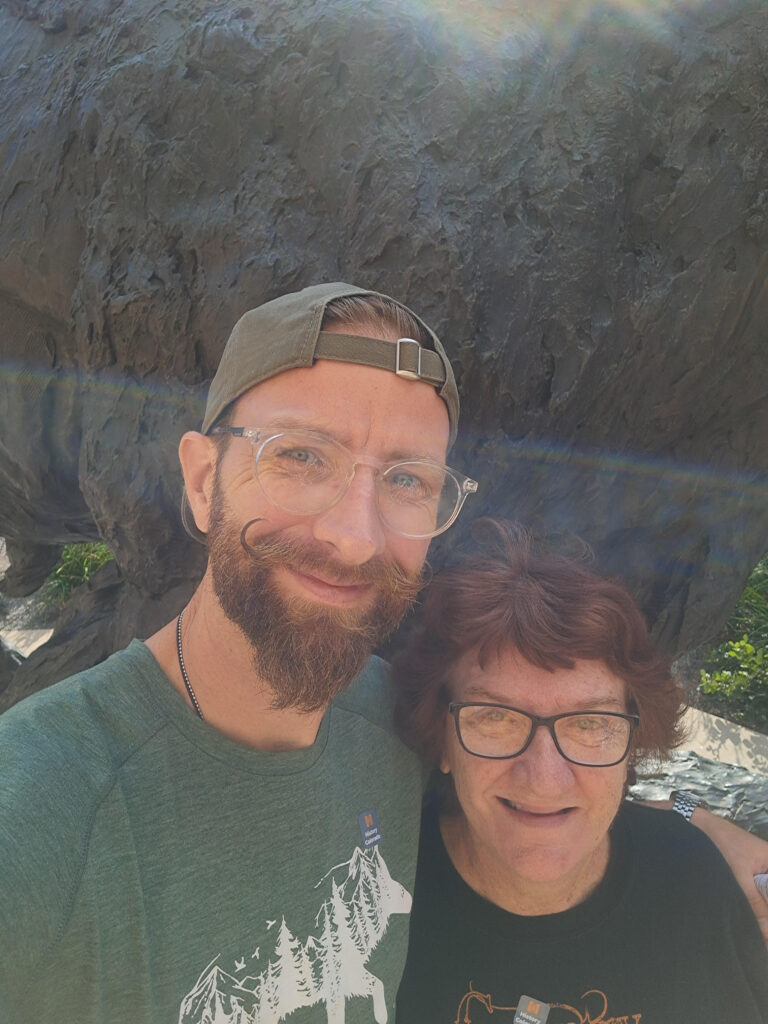
Meet Jason Link
Artist Q&A
Can you tell us a little about your artistic background and how you became involved in the Recovery Cards Project?
I loved drawing when I was a kid, and when I chose recovery I knew I had some time to fill. If I liked doing it back then, I would like doing it now while rediscovering myself. I was successful for a few years with Recovery. Though, later I had to start my journey again. While in sober living this last time I had two goals. One of them was to get my cat back. The second was to again get a drafting table. I now have both.
I must also mention Colorado Artists in Recovery (CAiR). This is an organization I cannot express enough gratitude for. This is how I became connected with the Recovery Cards Project.
Do you have a personal connection to substance use disorder or mental health struggles?
I struggled deeply with alcohol finally ending up homeless for a couple months. I wouldn’t wish my journey on anyone. I do however believe recovery offers a gift in truly understanding what life is. This becomes an opportunity to create meaning behind every struggle and/or success.
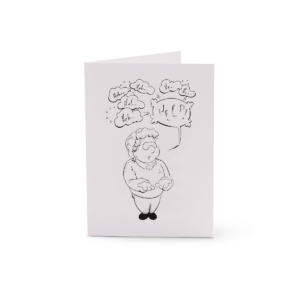
What inspired the design and message of your card?
Asking for help was the hardest thing I’ve ever done.
What do you hope someone in recovery feels when they receive your card?
That it’s ok to ask for help. It rarely comes out as eloquently as we’d hope. Lastly, that it rarely comes in the form we want it. But, help does come without fail.
How has participating in this project influenced your perspective on recovery or community support?
I am now contracted to illustrate a children’s book. With the addition of watercolor to my work now, this project has been deeply encouraging that my work and journey can turn into something rewarding. I often before never thought it would.
Why do you think greeting cards are a powerful tool for supporting people in recovery and community?
We often just need to know we are not alone. It is the thought that matters when weighing whether the journey ahead in recovery. A card may tip the sales in our favor.
How do you see art playing a role in reducing stigma around addiction and recovery?
When allowed to express what is inside through reflective measures like creating art, we begin to understand how we feel. When it’s often hard to put into words what we do through trauma, this reminds us we do have a voice. We often stigmatized ourselves. Art allows a counter to that stigma.
Were there any challenges in balancing personal creativity with the sensitive themes of recovery?
No. I appreciate transparency for my journey. The challenge becomes boiling it all down to create cohesive, and relatable content.
Cards by Jason Link